Alcohol and Sleep Quality: Why This Is the Worst Mix

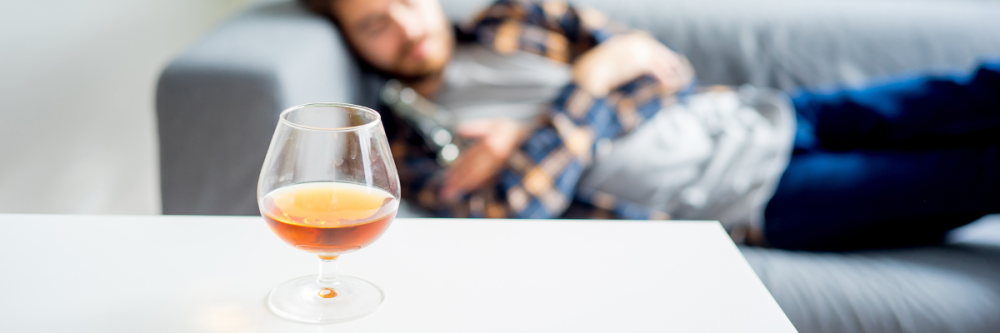
That glass of wine before bed might make you drowsy, but it's sabotaging your sleep in ways you don't realize. While alcohol and sleep quality seem compatible at first, as you fall asleep faster, the reality is far different. Alcohol disrupts your sleep architecture throughout the night, leaving you exhausted despite spending hours in bed. For people managing sleep apnea, this combination creates even more serious problems. Understanding how alcohol and sleep is the worst mix helps you make informed decisions about your evening habits and overall health.
How Does Alcohol Affect Your Sleep Cycles?
Alcohol acts as a central nervous system depressant, creating initial sedation that helps you fall asleep quickly. However, this benefit disappears as your body metabolizes the alcohol. During the first half of the night, alcohol suppresses REM sleep. That’s the restorative stage crucial for memory consolidation, emotional regulation, and cognitive function. Research shows that alcohol and REM sleep have an inverse relationship: The more you drink, the less REM sleep you achieve. As alcohol leaves your system in the second half of the night, you experience rebound effects, including fragmented sleep, frequent awakenings, and lighter sleep stages. These effects of alcohol on sleep quality persist even after your blood alcohol level returns to zero, disrupting your entire night's rest. You may also experience the rebound effect the next night after drinking alcohol.
Why Drinking Before Bed Worsens Sleep Apnea
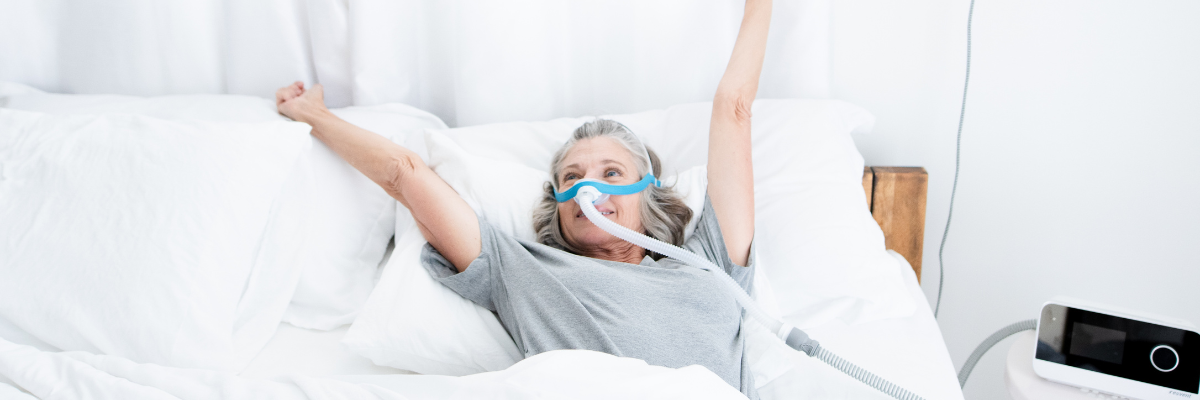
Drinking before bed poses particular dangers for sleep apnea patients. Alcohol relaxes the throat muscles that normally keep your airway open during sleep, intensifying upper airway collapse and breathing obstructions. This muscle relaxation increases both the frequency and duration of apnea events throughout the night. According to Sleep Foundation research, alcohol can trigger sleep apnea symptoms even in people without diagnosed obstructive sleep apnea. For patients using CPAP therapy, alcohol undermines treatment effectiveness. What happens is your machine must work harder against relaxed tissues, potentially causing mask leaks or inadequate pressure delivery. The combination of alcohol and sleep apnea creates a dangerous cycle of worsening symptoms and poor sleep quality.
What Poor Sleep Quality Really Means for Your Health
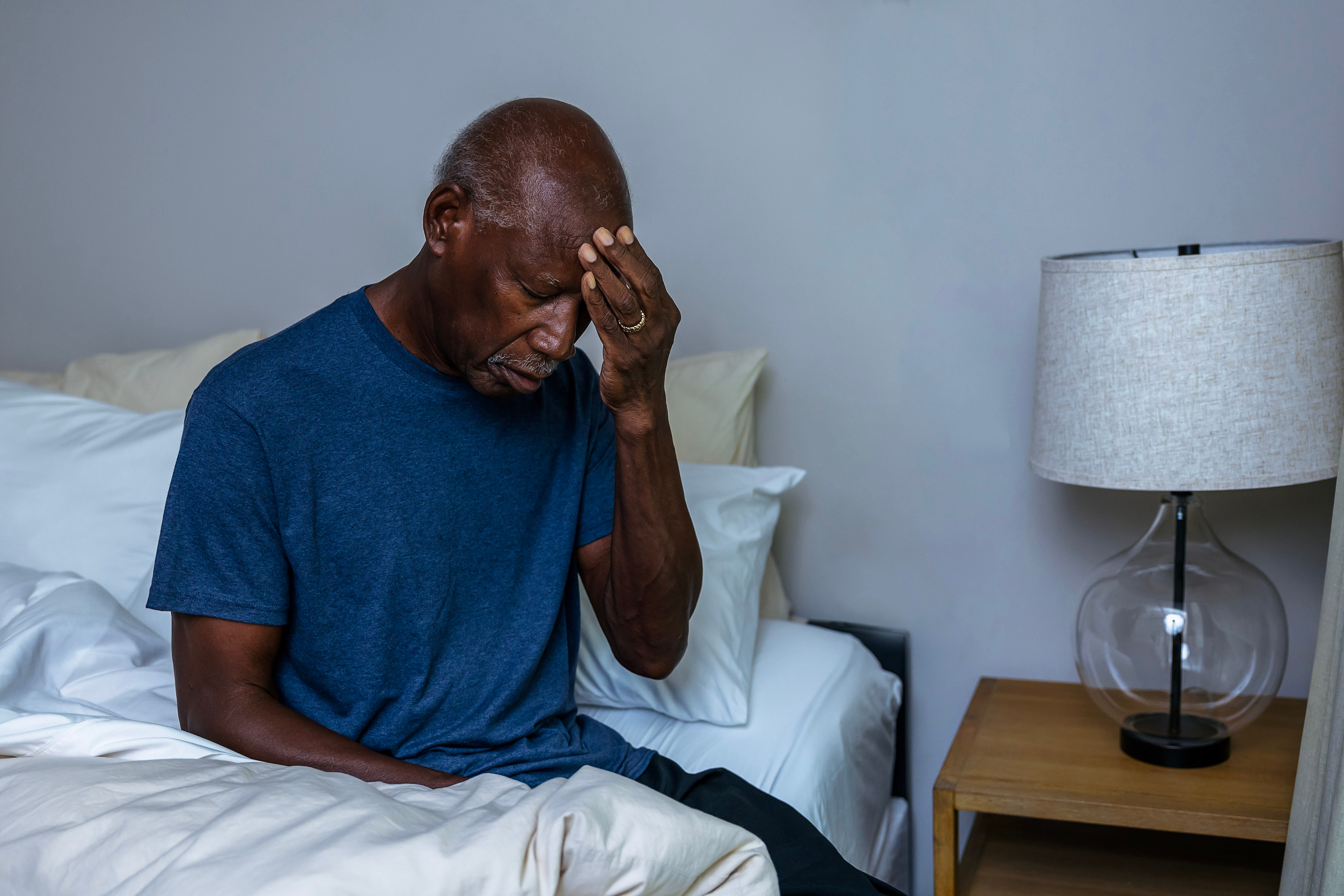
The consequences of alcohol-disrupted sleep quality extend far beyond feeling tired. Poor sleep quality causes multiple health problems across different body systems. Your cardiovascular system experiences strain through increased heart rate and elevated blood pressure during fragmented sleep. Metabolic disruption affects blood sugar regulation, raising diabetes risk over time. Also, people’s mental health suffers as chronic poor sleep contributes to anxiety, depression, and mood instability. Cognitive function declines, affecting memory, focus, and decision-making abilities, and even your immune system weakens, reducing your ability to fight illness. For sleep apnea patients already facing these health risks, alcohol compounds every sleep quality problem.
Recognizable Signs That Alcohol Is Disrupting Your Sleep
You might notice these patterns after drinking:
- Waking frequently after 3 or 4 a.m.: Alcohol's sedative effects wear off, triggering rebound wakefulness and lighter sleep stages in the second half of the night.
- Feeling unrested despite adequate time in bed: Fragmented sleep and REM suppression prevent restorative sleep cycles, leaving you exhausted even after seven to eight hours.
- Increased snoring or gasping: Alcohol-relaxed throat muscles intensify airway obstruction, worsening breathing interruptions, snoring, and gasping for air..
- Morning headaches and dry mouth: Dehydration from alcohol, combined with mouth breathing from airway obstruction, creates these common symptoms.
- Daytime brain fog: Poor sleep quality disrupts cognitive function, making concentration and memory recall difficult the next day.
Get Expert Support for Better Sleep
Understanding the connection between alcohol and sleep quality and why this mix is so costly empowers you to make healthier choices. If you're struggling with sleep apnea or persistent sleep problems, contact Aeroflow Sleep at 1-800-480-5491. Our team provides personalized guidance on optimizing sleep hygiene, adjusting CPAP settings, and addressing all factors affecting your rest, not just equipment. Check your insurance eligibility today for CPAP supplies covered up to 100% through your plan, and start sleeping better tonight.
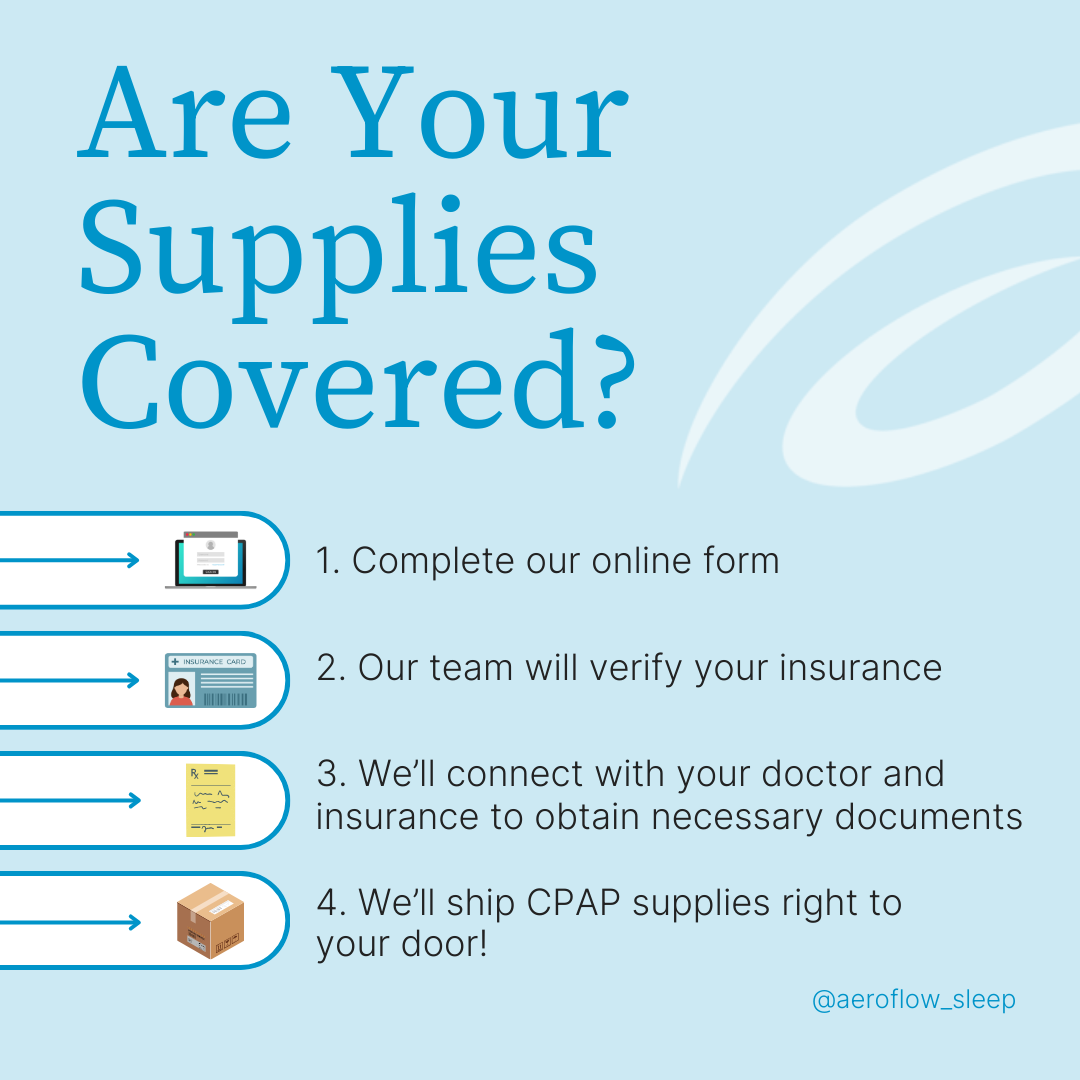

From CPAP machines and masks to tubing and filters, Aeroflow Sleep covers your sleep apnea essentials up to 100% through insurance. Plus, you'll be paired with a dedicated Sleep Specialist, get access to our user-friendly patient portal, and receive world-class resources like our AI mask-fitting technology.