How Grieving and Major Life Changes Impact Sleep Quality

How Grieving and Major Life Changes Impact Sleep Quality
Few things disrupt your sleep as much as a heavy heart. Whether you're navigating the loss of a loved one, a divorce, a move, a job change, or any of life's major transitions, the toll often shows up first at night in restless hours, racing thoughts, and mornings that arrive far too soon. The connection between grief and sleep is real, and if you're already living with obstructive sleep apnea (OSA), emotionally difficult seasons can make restful sleep feel even further out of reach.
If that sounds like where you are right now, please know you're not alone, and there are gentle, practical ways to care for yourself while you heal. In this article, we'll look at how grief affects sleep, why emotional stress and sleep apnea can feed into each other, and the steps, including leaning on the right support, that can help you find your way back to restorative rest, with guidance from the team at Aeroflow Sleep.
How Grief Affects Sleep
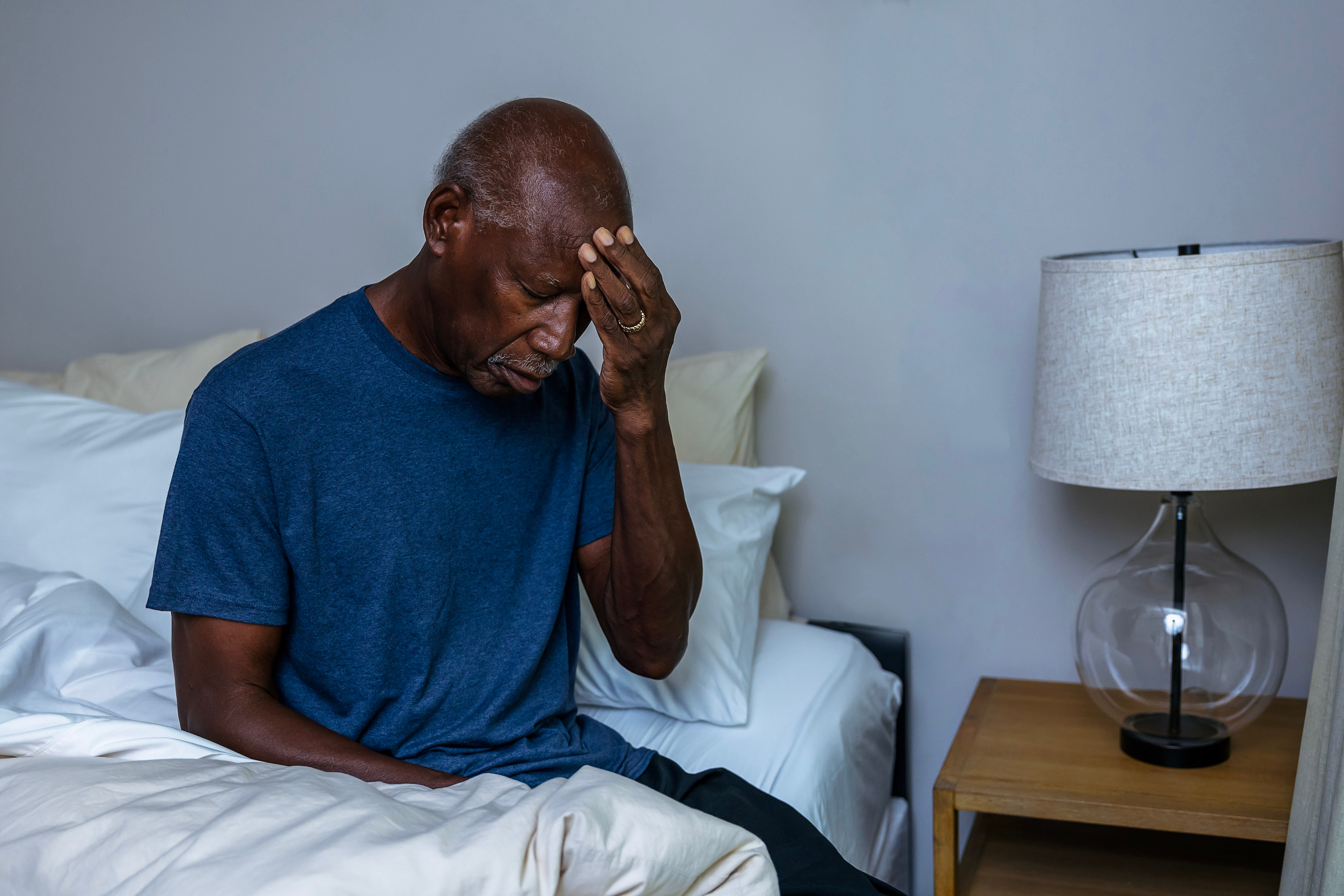
Grief and major life changes activate the body's stress response, and that response doesn't simply switch off at bedtime. A mind that's processing loss or upheaval tends to stay alert when it should be winding down, which is why grieving and sleep problems so often go hand in hand.
This can look like trouble falling asleep, waking frequently through the night, or lying awake replaying memories and worries. For many people, this surfaces as insomnia during grief, a frustrating cycle where exhaustion builds but restorative rest remains elusive. It's a completely human reaction to an extremely difficult situation. Research shows that grief increases sleep disturbances or makes them more intense. These sleep difficulties can last for about 6 months, depending on how the person manages their emotional state.
When Emotional Stress Meets Sleep Apnea
The link between life changes and sleep runs deeper than a few rough nights. Ongoing emotional stress affecting sleep can chip away at the quality of your rest over time, leaving you more fatigued, foggy, and emotionally raw, which makes coping with grief even harder.
For those with OSA, there's an added layer. The relationship between sleep apnea and stress can become a loop: Emotional strain disrupts your sleep, poor sleep leaves you less equipped to handle stress, and untreated sleep apnea fragments your rest even further. Breaking that cycle starts with protecting the sleep tools that are already working for you.
Why You Shouldn't Skip Your CPAP During Difficult Times
When life feels overwhelming, it's tempting to let routines slide, and CPAP therapy is often one of the first things to go. But difficult seasons are exactly when consistent, restorative sleep matters most. Quality rest helps steady your energy, your focus, and your mood, all of which support your emotional well-being while you grieve.
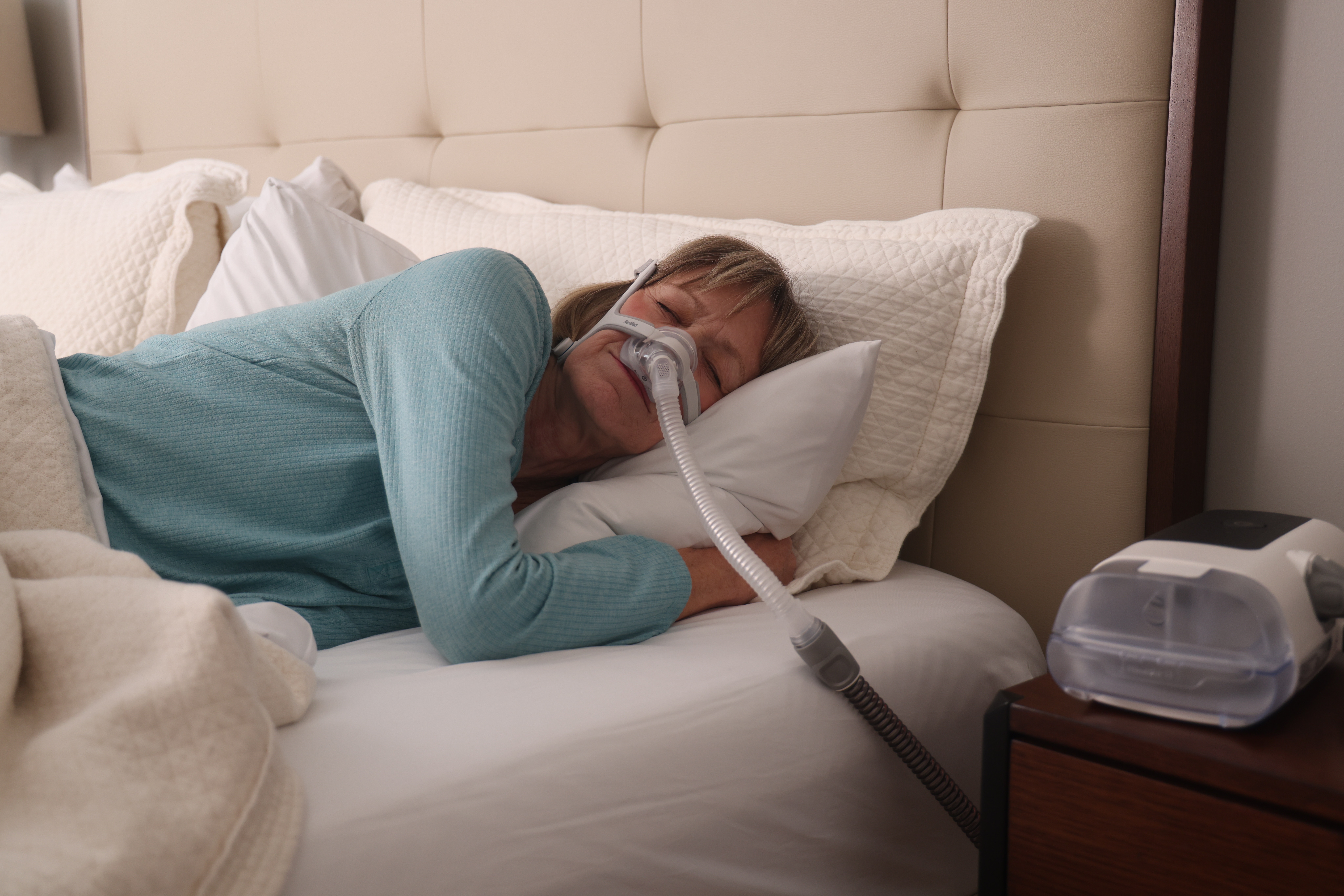
Skipping therapy may feel like one less thing to manage, but it can quietly make everything harder by adding sleep deprivation on top of emotional strain. Staying consistent with your CPAP therapy, wearing your mask every night even on the hard nights, is one of the kindest things you can do for yourself right now. It keeps your foundation steady so you have more energy for healing.
Healthy Ways to Support Your Rest
Be patient and gentle with yourself as you grieve and work on your sleep quality. A few supportive habits can help:
-
Keep a steady sleep schedule. Going to bed and waking up at consistent times gives your internal clock something dependable to hold onto.
-
Create a calming wind-down. A quiet, screen-free buffer before bed can help signal to your body that it's safe to rest.
-
Lean on your support system. Don't carry this alone. Reach out to friends and family, and consider talking with sleep experts or medical professionals, including a counselor or your doctor, who can offer help. Asking for support is a sign of strength, not weakness.
-
Consider counseling or other mental health support. The combination of sleep disturbances and grief can increase the risk of depression. Consider talking to someone about it.
If your grief or sleep struggles feel persistent or overwhelming, reaching out to a medical or mental health professional is an important and worthwhile step.
How Aeroflow Sleep Can Help
You don't have to manage the logistics of your CPAP therapy by yourself. At Aeroflow Sleep, you're paired with a dedicated, U.S.-based Sleep Specialist, a knowledgeable expert you can reach during business hours for questions, fit help, and support, so caring for your sleep stays simple even when life isn't.
We also handle the practical details so nothing falls through the cracks:
-
Compliance coaching to help you stay consistent with your therapy through challenging seasons.
-
A free Prescription Concierge that works directly with your doctor and insurer to obtain, update, and even renew your prescription, so your supplies never lapse.
-
Mask-fitting technology that uses a simple selfie to match your face shape, backed by a 30-day mask guarantee, to ensure your mask is comfortable enough to wear every night.
-
A user-friendly patient portal that tracks your replacement schedule and alerts you when you qualify for fresh supplies, all covered up to 100% through insurance for most plans.
We handle the insurance and the logistics. You focus on healing and rest.
Be Gentle With Yourself
Grief and major life changes are some of the hardest things we face in life, and it's no surprise they impact our sleep quality. By understanding how grief affects sleep, staying consistent with your therapy, and reaching out for support, you can protect the restorative rest that can help you heal.
If you'd like a partner in keeping your sleep therapy on track, check your eligibility with Aeroflow Sleep now. Fill out our qualification form below or call us at 1-800-480-5491, and let us take the headache out of healthcare while you focus on taking care of yourself.
This article is for educational purposes and is not a substitute for medical advice or mental health care. Grief and sleep difficulties can be a sensitive and serious matter. If you're struggling, please reach out to your doctor or a mental health professional, who can help you find the right support.


From CPAP machines and masks to tubing and filters, Aeroflow Sleep covers your sleep apnea essentials up to 100% through insurance. Plus, you'll be paired with a dedicated Sleep Specialist, get access to our user-friendly patient portal, and receive world-class resources like our AI mask-fitting technology.