Sleep & Aging: Sleep Apnea, Sleep Deprivation, & Aging Effects

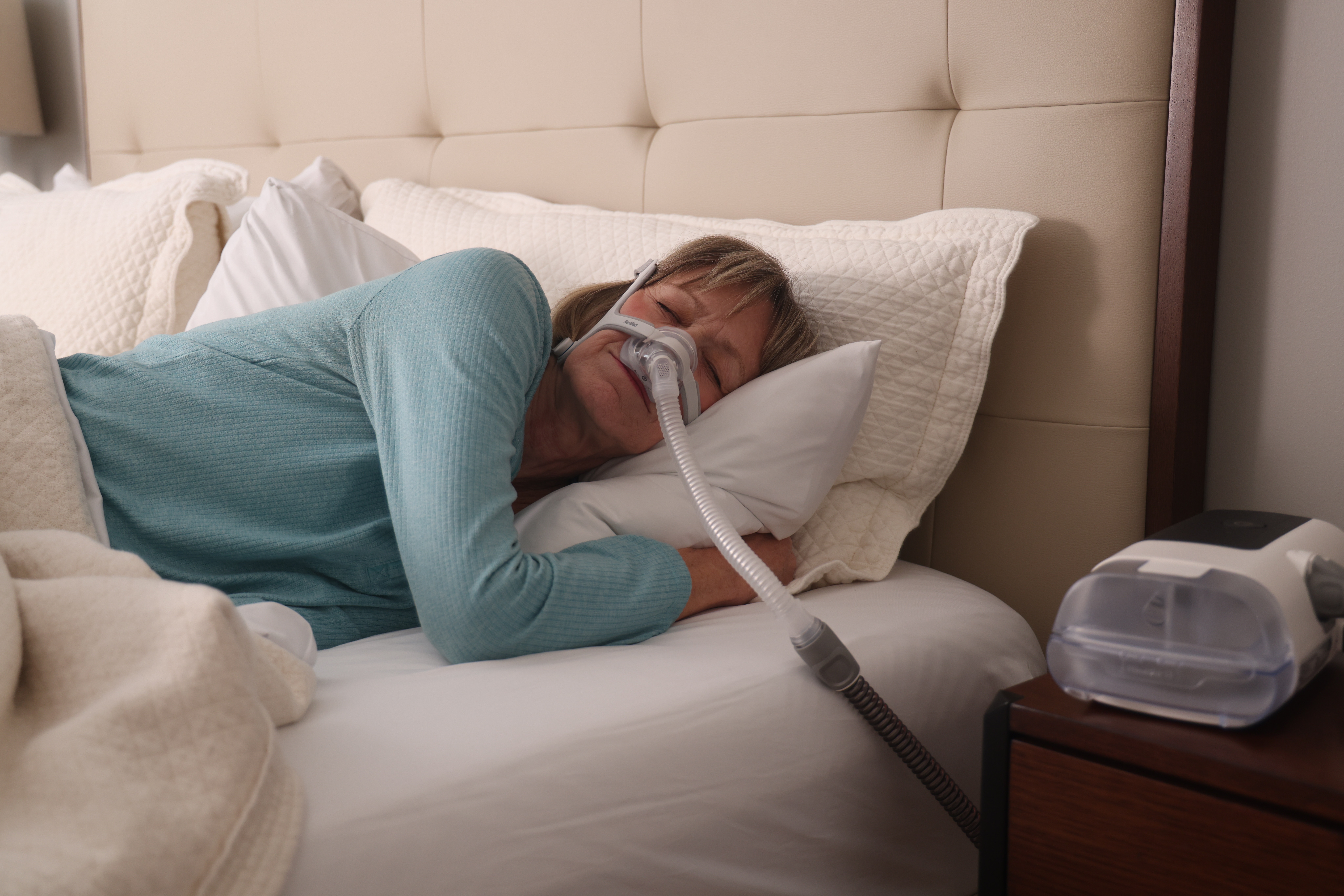
Sleep and Aging: Understanding Sleep Apnea, Sleep Deprivation, and How to Rest Better With Age
As we age, many things change, including how we sleep. You might notice you’re waking up more often during the night, feeling less rested in the morning, or struggling with new issues like snoring or daytime fatigue. These changes aren’t just frustrating; they can have real effects on your health.
At Aeroflow Sleep, we’re here to help you understand the connection between aging and sleep, as well as sleep apnea considerations, and what you can do to improve your rest as the years go on.
How Aging Affects Sleep
It’s a common myth that older adults need less sleep. In reality, most people still require 7 to 9 hours per night, even into their 60s, 70s, and beyond. What changes is how easily and deeply we sleep.
As we get older, we tend to:
-
Spend less time in deep, restorative sleep
-
Wake up more frequently at night
-
Feel sleepy earlier in the evening
-
Wake earlier in the morning
These shifts are often tied to natural changes in our internal body clock (circadian rhythm) and hormone levels, especially melatonin.
According to the Sleep Foundation, 40% to 70% of older adults report chronic sleep issues like insomnia or disrupted sleep cycles. This can lead to feeling groggy, forgetful, or low on energy during the day.
The Overlooked Risk: Sleep Apnea
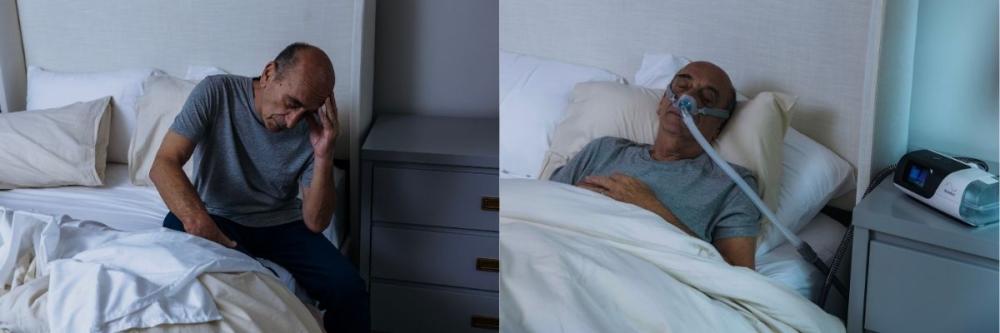
Sleep apnea becomes increasingly common with age. This condition causes your breathing to repeatedly stop and start during sleep, often without you realizing it. Snoring, gasping for air, or frequent nighttime awakenings can be signs of an issue, even in people who are not overweight. Another warning sign includes excessive daytime sleepiness and fatigue, difficulty concentrating, and memory problems.
Research shows that about 56% of older adults have a higher risk for obstructive sleep apnea (OSA), but less than 10% are tested, leaving many undiagnosed. Left untreated, OSA can lead to high blood pressure, heart disease, stroke, and memory problems. Sleep apnea, aging effects on sleep, and sleep deprivation can often be hard to detect. Post-menopausal women also have a higher risk for OSA, even if they do not experience the classic symptoms such as snoring.
Because symptoms can be subtle or mistaken for normal aging, it's important to get screened, especially if you're feeling excessively tired during the day despite a full night in bed.
Sleep Deprivation and Aging Go Hand in Hand
Even if you don’t have sleep apnea, poor sleep in general takes a toll. As we age, our bodies become more sensitive to sleep loss. Several studies have found that adults with consistently irregular sleep patterns were more likely to experience chronic disease and cognitive decline.
Chronic sleep deprivation is linked to:
-
Weakened immune function
-
Increased inflammation
-
Higher risk of diabetes and heart disease
-
Mood changes and depression
-
Faster biological aging
In short, sleep isn’t a luxury—it’s a critical part of healthy aging.
Tips for Sleeping Better as You Age
The good news? There’s a lot you can do to improve your sleep, no matter your age.
1. Stick to a Sleep Schedule
Going to bed and waking up at the same time each day—yes, even on weekends—helps reset your internal clock.
2. Create a Restful Sleep Environment
Keep your room cool, dark, and quiet. Use blackout curtains, white noise machines, or fans to minimize disruptions.
3. Limit Caffeine and Alcohol
Both can interfere with your ability to fall asleep and stay asleep, especially later in the day.
4. Move Your Body
Regular physical activity can help you fall asleep faster and enjoy deeper sleep. Just avoid intense workouts close to bedtime.
5. Get Screened for Sleep Apnea
If you snore loudly, wake up gasping, or simply feel exhausted during the day despite spending many hours in bed at night, ask your doctor about a sleep test. Aeroflow Sleep offers resources and CPAP supplies to make the process easier.
6. Try Relaxation Techniques
Gentle stretches, deep breathing, or listening to calming music before bed can signal to your brain that it’s time to wind down.
Restful Nights Lead to Better Days
Sleep changes are a normal part of aging, but poor sleep doesn’t have to be. Whether it’s addressing sleep apnea, adjusting your bedtime routine, or getting the right sleep equipment, small steps can lead to big improvements when dealing with sleep apnea, aging, and sleep deprivation issues.
At Aeroflow Sleep, we’re here to help you sleep better and age with strength, energy, and peace of mind. Because everyone deserves good sleep at every stage of life. Reach out to us today to learn more!


From CPAP machines and masks to tubing and filters, Aeroflow Sleep covers your sleep apnea essentials up to 100% through insurance. Plus, you'll be paired with a dedicated Sleep Specialist, get access to our user-friendly patient portal, and receive world-class resources like our AI mask-fitting technology.