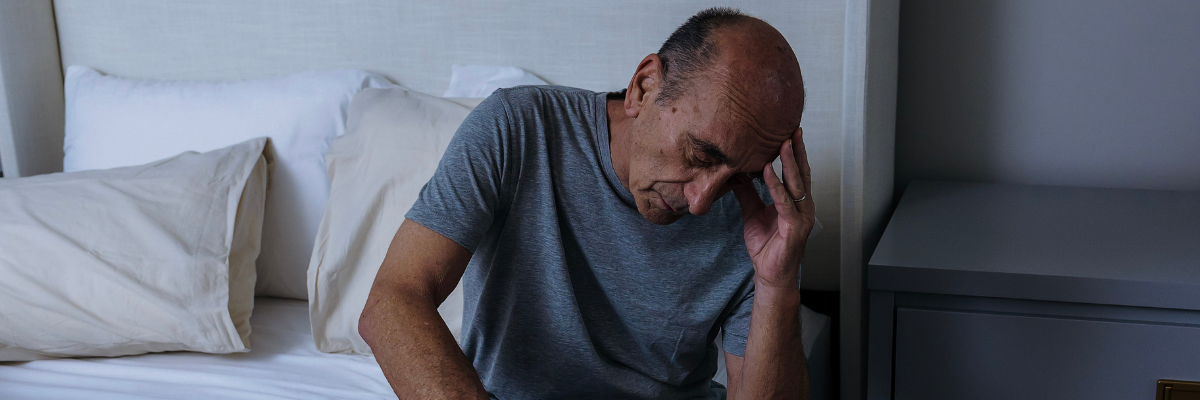
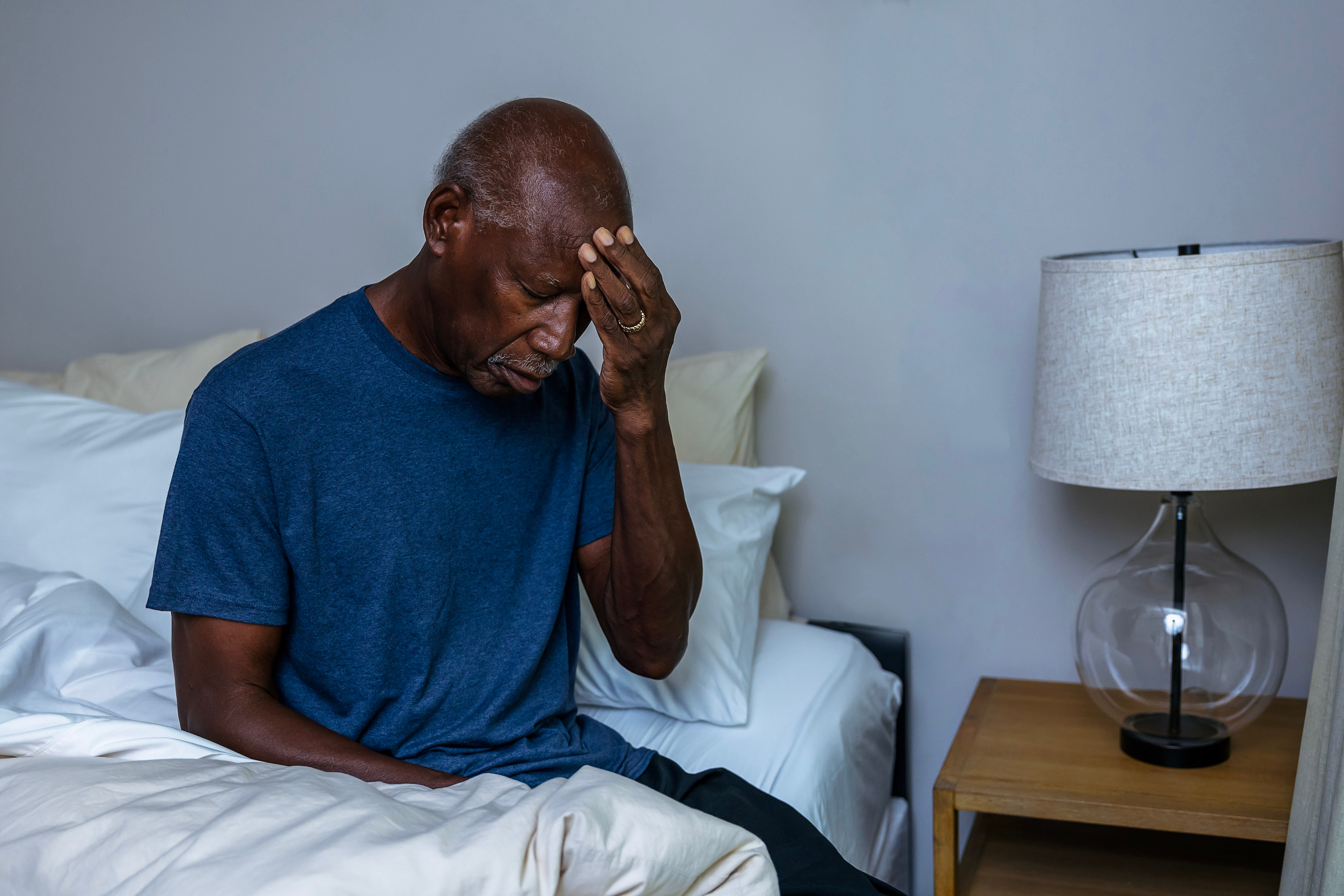
If the words "you might have sleep apnea" have ever made your stomach drop, you're in good company. An estimated 30 million people in the United States live with sleep apnea, and by some estimates, as many as 80 percent of them don't even know it yet. That means the fear you're feeling right now, the one keeping you from booking a test or bringing it up with your doctor, is something millions of people have felt too.
Summer has a way of loosening every good habit you worked hard to build, and your sleep is usually the first to go. Late sunsets, hot nights, vacations, and a generally "anything goes" schedule can leave even the most disciplined sleeper feeling off.
As the summer winds to a close and it’s back-to-school time once again, the household schedule snaps back into focus. Alarm clocks are set, mornings start earlier, and the whole family scrambles to find a new rhythm. In all the hustle and bustle, parents’ sleep schedules can become disrupted.
Few things disrupt your sleep as much as a heavy heart. Whether you're navigating the loss of a loved one, a divorce, a move, a job change, or any of life's major transitions, the toll often shows up first at night in restless hours, racing thoughts, and mornings that arrive far too soon. The connection between grief and sleep is real, and if you're already living with obstructive sleep apnea (OSA), emotionally difficult seasons can make restful sleep feel even further out of reach.
As we age, many things change, including how we sleep. You might notice you’re waking up more often during the night, feeling less rested in the morning, or struggling with new issues like snoring or daytime fatigue. These changes aren’t just frustrating; they can have real effects on your health.
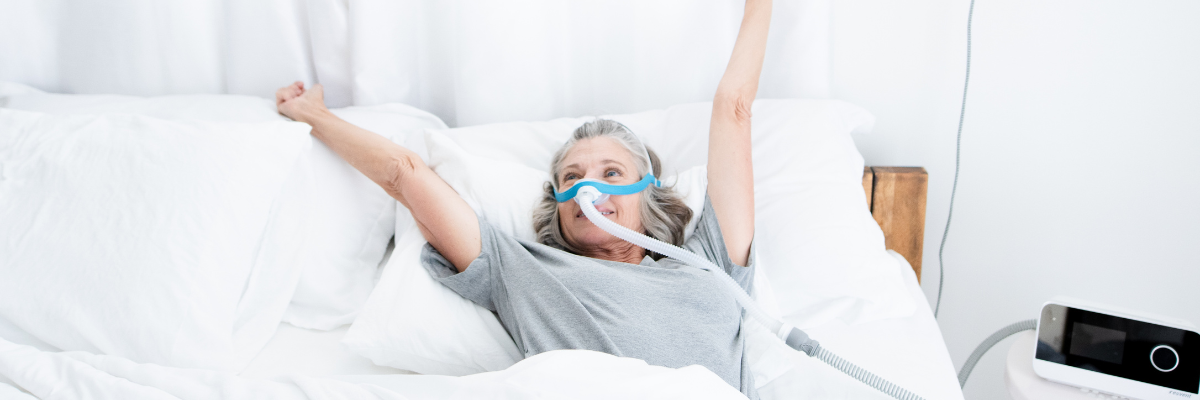
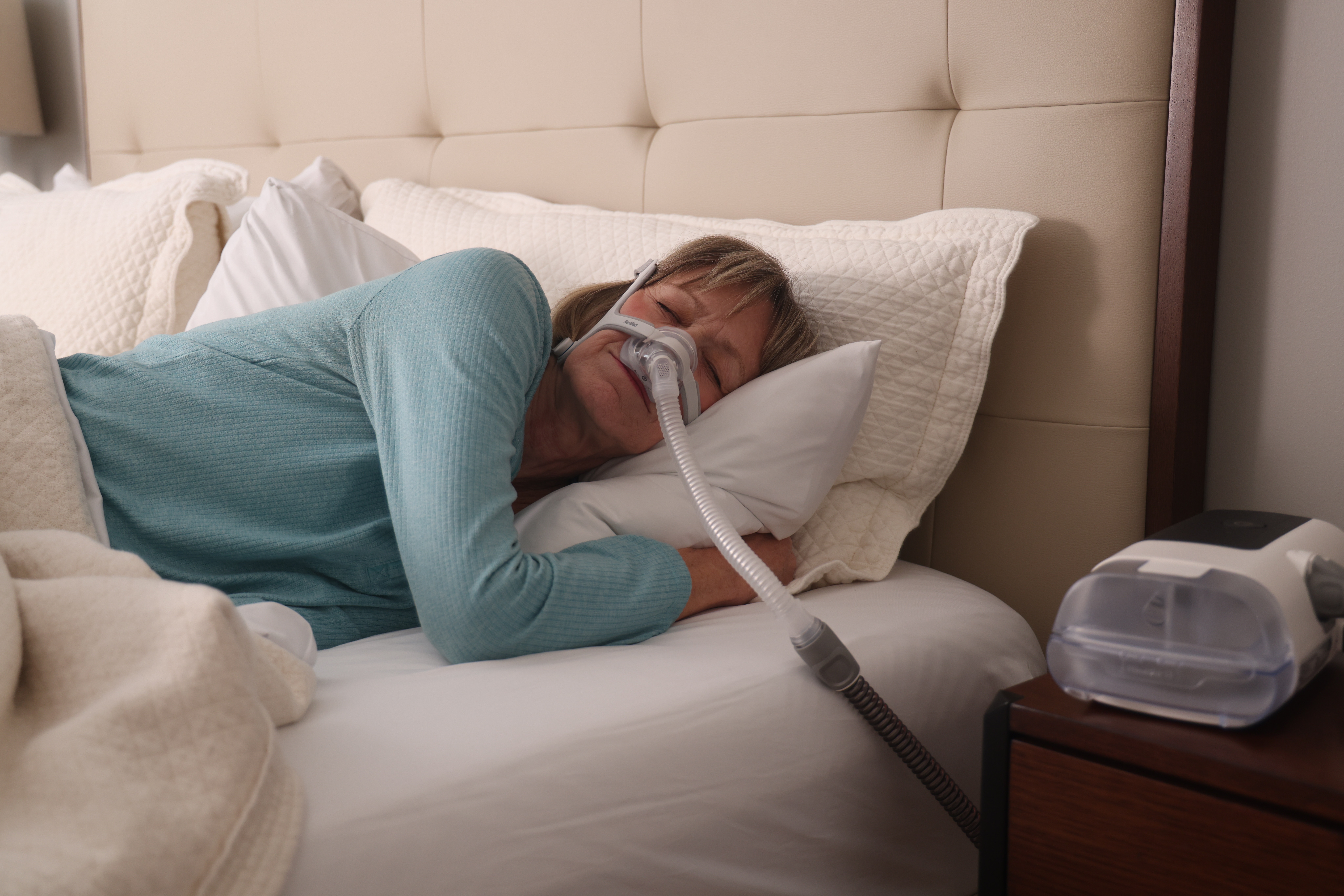
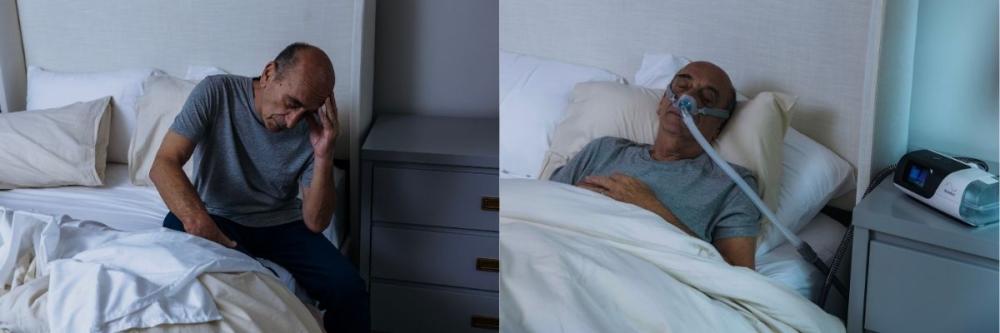
When you're newly diagnosed with obstructive sleep apnea (OSA), it's natural to wonder what life will actually look like once you start treatment. Will you really feel different? Is a machine and a mask worth it? The best way to answer those questions is to look at the CPAP before and after, the day-to-day reality of living with untreated sleep apnea compared with life once therapy is doing its job.
If you've just been diagnosed with obstructive sleep apnea (OSA), you might expect your new CPAP machine to work like a light switch. Flip it on, sleep great, done. The truth is a little different, and honestly, a lot more encouraging.
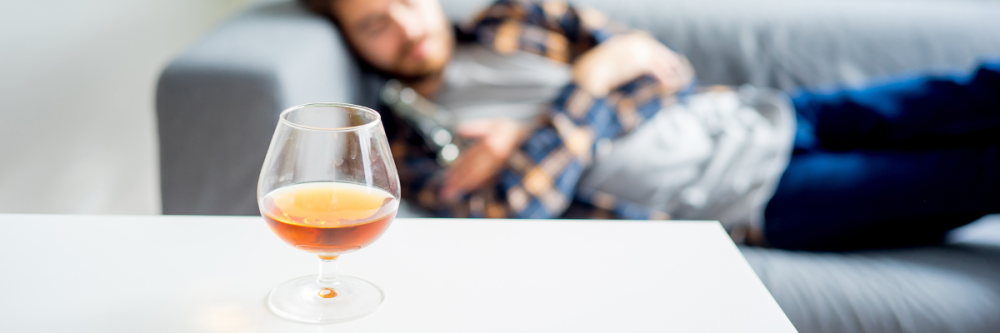
That glass of wine before bed might make you drowsy, but it's sabotaging your sleep in ways you don't realize. While alcohol and sleep quality seem compatible at first, as you fall asleep faster, the reality is far different. Alcohol disrupts your sleep architecture throughout the night, leaving you exhausted despite spending hours in bed.
World Sleep Day 2026 falls on Friday, March 13—a great reminder to focus on better sleep alongside people around the globe. Organized by the World Sleep Society, this annual event highlights the importance of healthy sleep for everyone. Whether you’re using CPAP therapy for sleep apnea or just looking to improve your rest, this guide offers simple, practical ways to celebrate and build better sleep habits.
Sleep health reveals surprising patterns when we examine how men and women approach healthcare differently across age groups. Our recent Aeroflow Sleep Survey 2025 shows a dramatic shift in healthcare engagement that challenges traditional assumptions about gender and medical help-seeking behavior. Let’s get into the highlights from the survey and what they mean.