Scared of Sleep Apnea? You're Not Alone. Here's What to Expect

Scared of Sleep Apnea? You're Not Alone. Here's What to Expect
If the words "you might have sleep apnea" have ever made your stomach drop, you're in good company. An estimated 30 million people in the United States live with sleep apnea, and by some estimates, as many as 80 percent of them don't even know it yet. That means the fear you're feeling right now, the one keeping you from booking a test or bringing it up with your doctor, is something millions of people have felt too.
It's worth naming that fear instead of just pushing past it. Once you understand what a diagnosis actually looks like, why it matters, and how treatment works today, that fear tends to lose a lot of its grip. Here's what to expect, with a little help from what Aeroflow Sleep sees every day working with people just starting this process.
Why a Sleep Apnea Diagnosis Feels So Scary
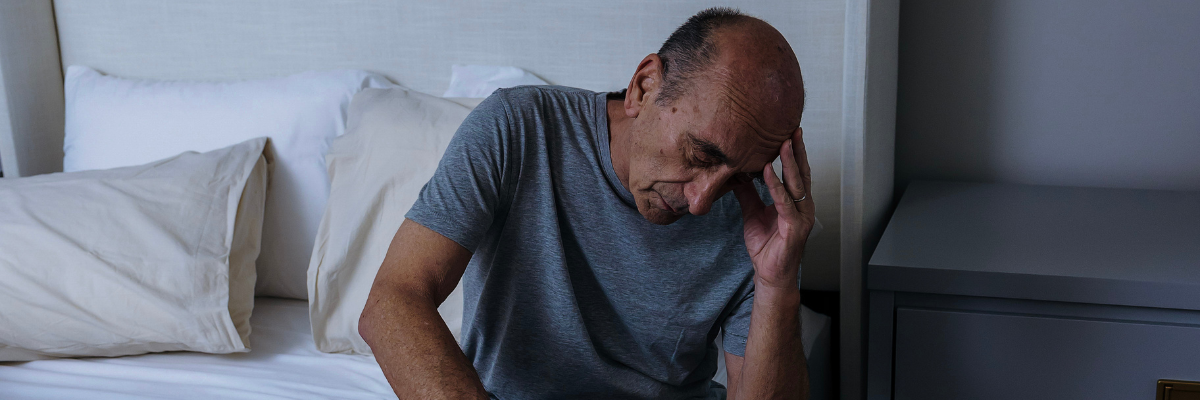
For most people, the fear isn't really about the diagnosis itself. It's about everything they imagine coming with it.
Some of the most common worries include the following:
-
Fear of the unknown. A sleep study can sound clinical and intimidating, especially if you picture wires, electrodes, and a stranger watching you sleep in a lab.
-
Fear of the CPAP mask. For a lot of people, "sleep apnea" and "a mask strapped to my face every night for the rest of my life" are the same idea in their head, and that picture alone is enough to make them put off getting tested.
-
Fear of confirmation. Part of you may already suspect something is wrong. Getting tested can feel like making it official, which is a very human thing to want to avoid.
-
Fear of judgment. Snoring carries a strange amount of stigma, especially for women, and some people feel embarrassed to even bring it up with a doctor or a partner.
-
Fear of hassle and cost. Between finding a doctor, scheduling a test, and figuring out what insurance will actually cover, the process can feel like more trouble than it's worth.
None of these fears are irrational. They're just usually based on an outdated picture of what getting diagnosed and treated actually involves.
What Actually Happens When You Get Tested
Sleep apnea testing has changed a lot. For many people, there's no overnight lab visit involved at all.
A large share of people who are referred for testing today qualify for an at-home sleep study instead. After a doctor's consultation, a small monitoring device is mailed or delivered to your house. You wear it for one night in your own bed, following your normal routine, then send it back so a clinician can review the data. Most people have results within a couple of weeks, so there is nothing to worry about.
Why Untreated Sleep Apnea Matters
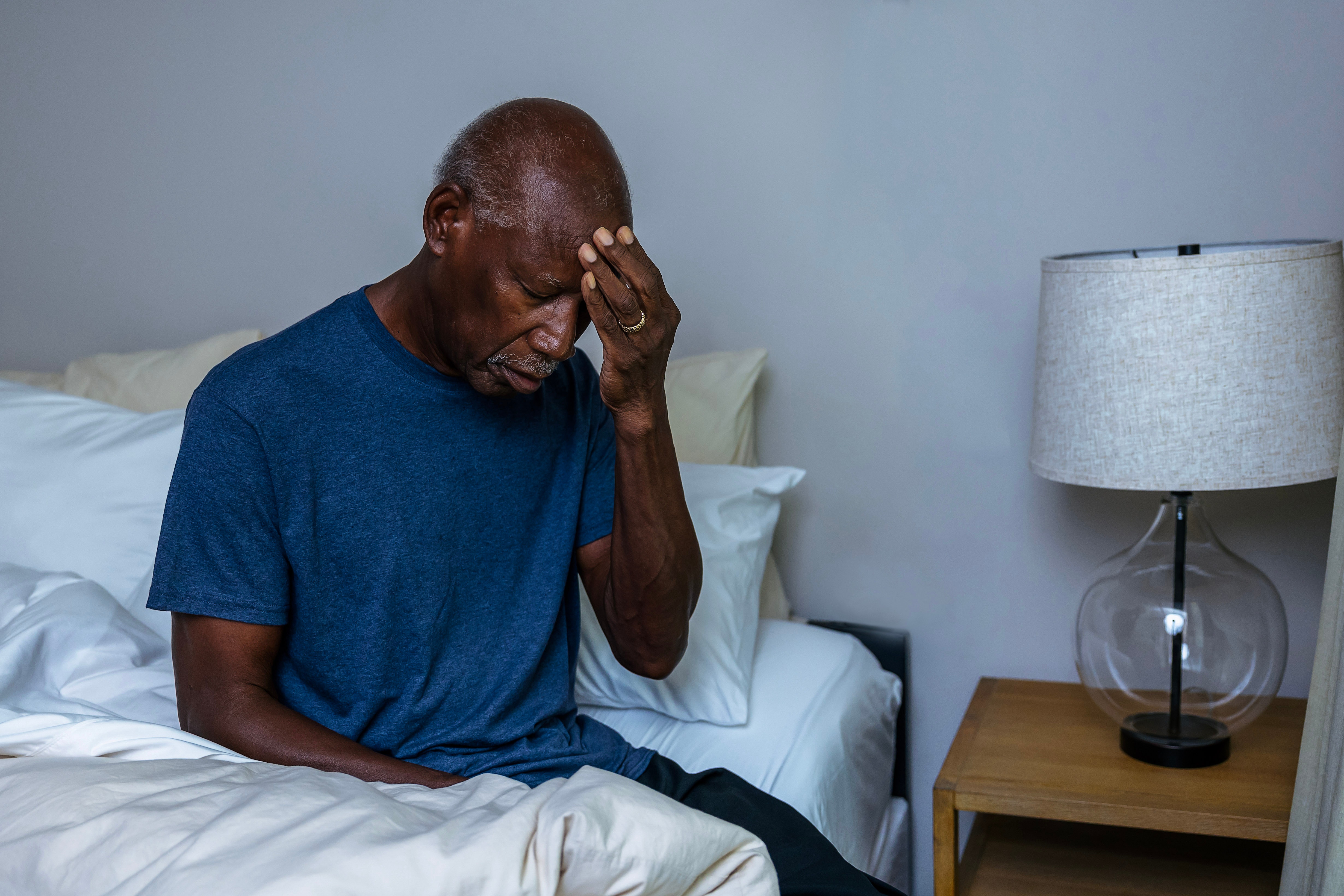
It's easy to write off snoring, daytime tiredness, or a foggy morning as just part of getting older or being busy. But sleep apnea does more than interrupt your sleep. It interrupts your breathing, over and over, all night long, and your body feels that.
People with untreated sleep apnea commonly deal with daytime effects that go well beyond feeling tired, including morning headaches, trouble concentrating, mood changes, and a higher risk of drowsy driving. These symptoms are a direct consequence of your body dealing with low oxygen levels while you sleep.
The longer-term picture matters too. Research has linked untreated sleep apnea to a higher risk of high blood pressure, heart rhythm problems, and other cardiovascular strain such as stroke, along with a higher risk of type 2 diabetes. Researchers have also found that people with severe, untreated sleep apnea tend to have worse long-term health outcomes than people who get diagnosed and treated.
How Treatment Actually Lowers Those Risks
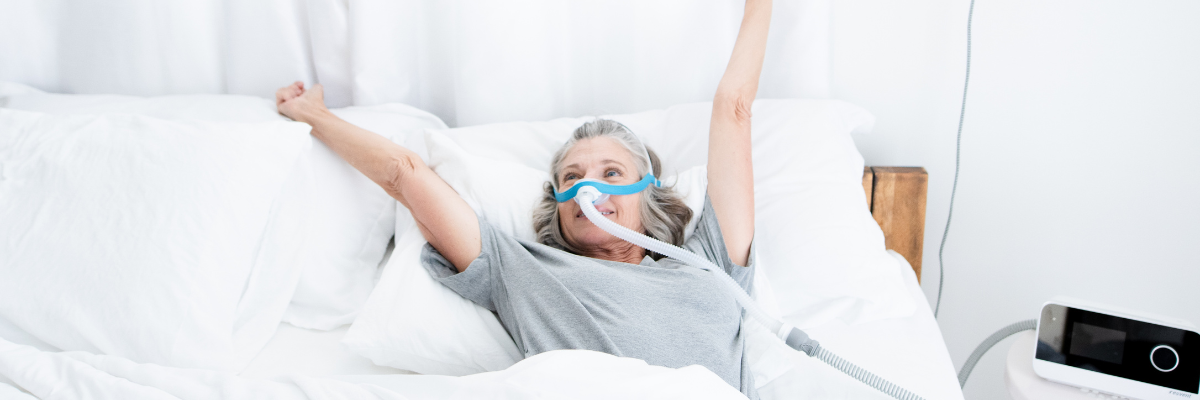
This is the part that tends to get lost under all the fear. Treatment works, and for most people, it works faster and more comfortably than they expect.
Consistent use of CPAP therapy is associated with real, measurable benefits for your heart, your energy, and your day-to-day quality of life, including better blood pressure control, sharper concentration, and fewer accident risks tied to drowsiness. Studies also suggest that people who use CPAP consistently tend to have a lower risk of cardiovascular events than those who don't use it or use it inconsistently.
If the idea of a CPAP mask specifically is what's holding you back, it helps to know CPAP isn't the only option. Depending on your diagnosis, a sleep specialist may recommend other approaches, such as oral appliance therapy, positional therapy, or alternative PAP devices with different fit and pressure settings. The right treatment is the one you'll actually use, and there's more than one path to get there.
What About the Cost and Insurance Hassle?
This barrier is real, and it's fair to be wary of it. Coverage requirements vary by insurer, and figuring out what's covered, what isn't, and which supplier to use can be genuinely confusing on your own.
The good news is that you don't have to sort it out by yourself. A durable medical equipment supplier like Aeroflow Sleep can handle the insurance paperwork, verify your coverage, and walk you through what to expect cost-wise before you commit to anything.
Taking the First Step
You don't have to feel ready to get tested. You just have to be willing to ask the question.
If you suspect you have sleep apnea, start by talking to your doctor about a sleep study. If you already have a diagnosis and are trying to figure out equipment and insurance, Aeroflow Sleep can help you get a personalized quote for CPAP supplies in a few simple steps, often in less time than it took you to read this article.
The fear is normal, and so is the relief that tends to follow once you finally get some answers. Aeroflow Sleep is here to make the next steps easier, not scarier.
This article is for educational purposes and is not a substitute for medical advice. Always talk to your doctor about your diagnosis, your CPAP therapy, and any changes to your health before making decisions about your treatment.
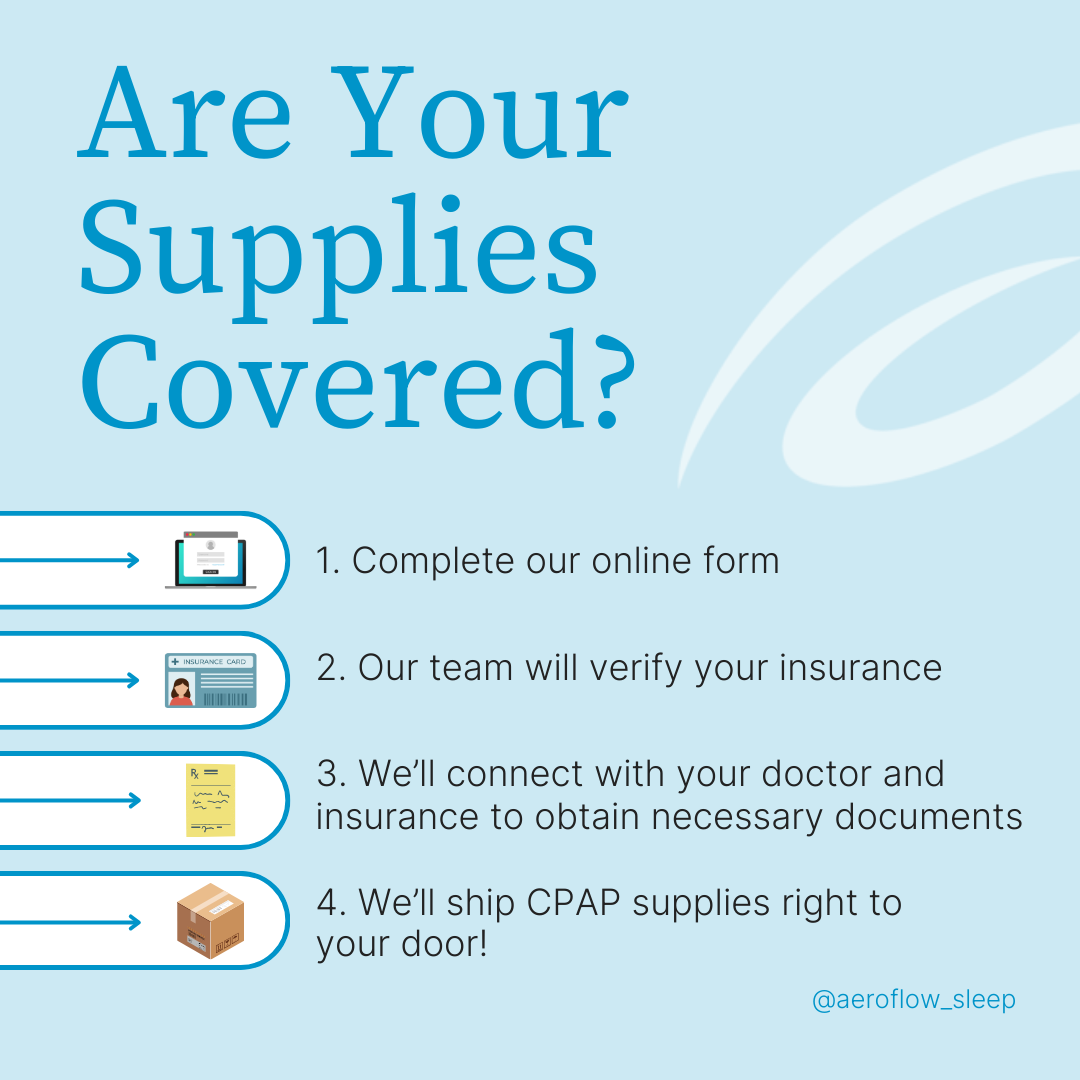
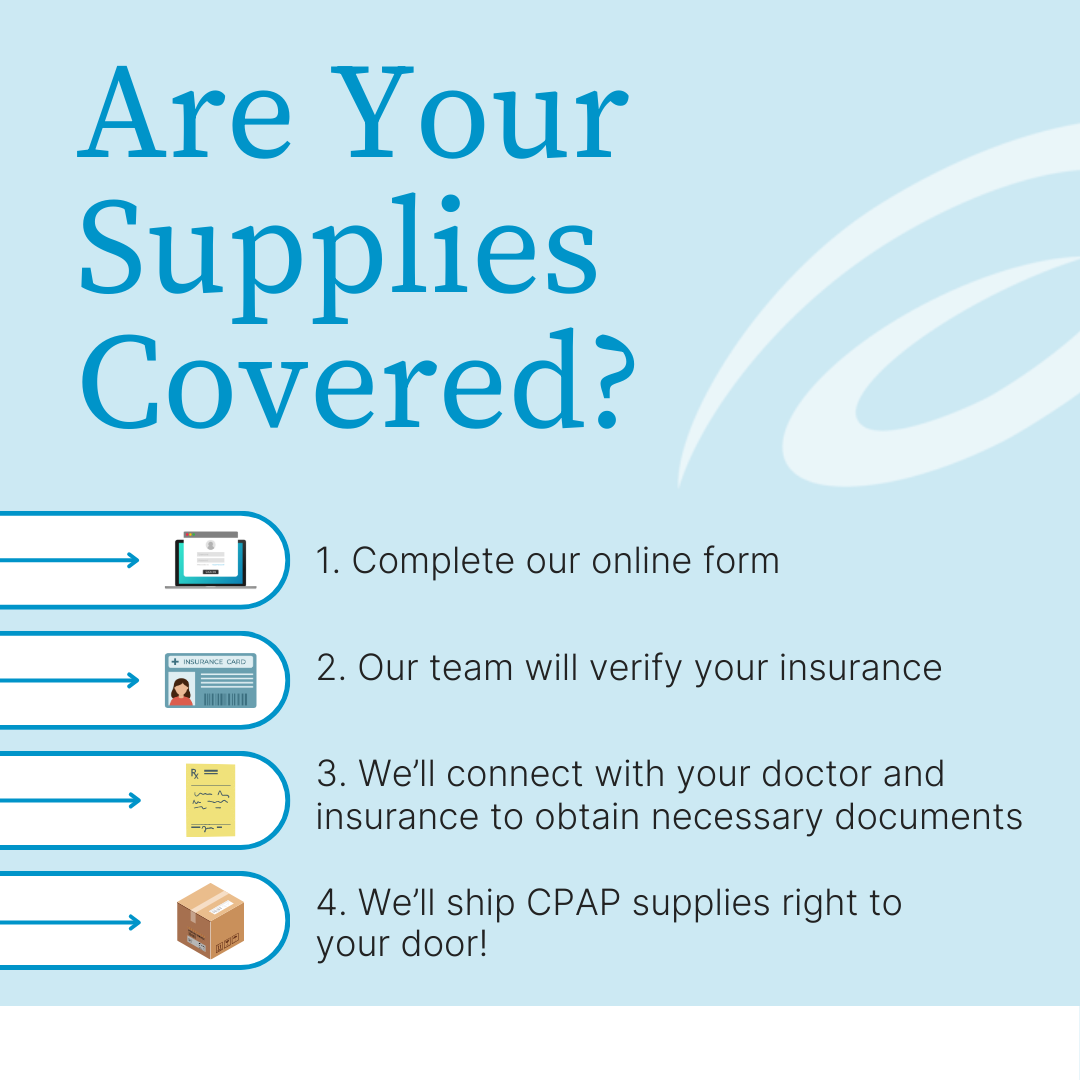
From CPAP machines and masks to tubing and filters, Aeroflow Sleep covers your sleep apnea essentials up to 100% through insurance. Plus, you'll be paired with a dedicated Sleep Specialist, get access to our user-friendly patient portal, and receive world-class resources like our AI mask-fitting technology.