Does Sleep Apnea Go Away? | Sleep Apnea Diagnosis & Prognosis


Does Sleep Apnea Go Away? Understanding Your Sleep Apnea Diagnosis and Prognosis
After receiving a sleep apnea diagnosis, it's natural to wonder if it's a lifelong condition. You may ask yourself questions like: Does sleep apnea ever go away? Can you cure it? What if I lose weight? Generally speaking, sleep apnea is considered a chronic health condition, so it's here for the long haul. Yet, with certain treatment options, it may be possible for some to reduce, or permanently eliminate, their sleep apnea symptoms. Today, we'll explore if a sleep apnea diagnosis ever goes away, whether you're treating it or not.
What Causes Sleep Apnea?
To understand if sleep apnea goes away, we first need to understand what causes OSA, CSA, or mixed sleep apnea. The underlying cause of your sleep disorder plays a big part in what your treatment options are and how effective treatment will be.
Obstructive sleep apnea (OSA) occurs when tissues collapse into your airways and prevent airflow for 10 seconds or longer. When most people think about sleep apnea, they picture a blockage in the back of the throat, but the obstruction can happen anywhere within your upper airways, from your nasal passages to your lungs. Even your tongue can be the cause!
Central sleep apnea (CSA) diagnosis differs because it occurs due to a lack of nerve stimulation, meaning your brain is not signaling your airways to open. Mixed sleep apnea is a combination of both OSA and CSA.
What Are the Main Causes of Obstructive Sleep Apnea?
These obstructions can happen in various ways, but there are usually five common causes: obesity, anatomy, pregnancy, aging, and lifestyle factors. This is also why OSA is the most common of the three types of sleep apnea. Let's take a closer look at each cause:
1. Obesity
Excess weight is one of the risk factors most strongly associated with OSA. Although you don't have to be overweight to have sleep apnea, most people who have OSA carry extra weight. Why weight matters is because extra soft tissue in the neck and throat can narrow your airways. This makes them collapse more easily, and it puts additional pressure on your chest and lungs.
The good news is that weight loss can lead to a dramatic improvement in your sleep apnea symptoms and even the severity. Studies have shown that losing just 10% of body weight may lead to an improvement of up to a 26% decrease in the apnea–hypopnea index (AHI). Ask your doctor what a healthy weight may look like for you.
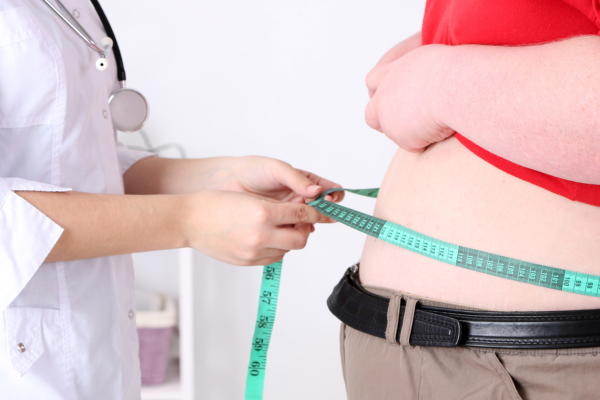
For those with mild sleep apnea, it's possible that weight loss and lifestyle changes could bring your severity down so much that you're no longer meeting the threshold for a sleep apnea diagnosis. For people with severe sleep apnea, weight loss alone is unlikely to eliminate OSA, but it can significantly reduce the risks of heart disease, stroke, and other health problems associated with sleep apnea.
Either way, it's important to continue your sleep apnea treatment during your weight loss journey. CPAP therapy not only helps protect your cardiovascular health, but may even assist with your weight loss efforts.
2. Anatomy
While obesity is strongly associated with sleep apnea, both thin and fit patients can have OSA because hypopneas (pauses in your natural breathing pattern) can be caused by a person's anatomy.
A few common anatomical causes of obstructive sleep apnea include:
-
Weak airway muscles
-
Enlarged tonsils or adenoids
-
Elongated soft palate
-
Nasal obstruction or deviated septum
-
Large tongue
-
Small jaw or recessed chin
Where OSA is caused by anatomy, it's sometimes possible for the obstruction to be corrected with surgical intervention. For example, lower jaw advancement (maxillomandibular advancement) involves cutting and repositioning of the jawbones to create room for the airways. Or, there's uvulopalatopharyngoplasty (UPPP), which removes excess tissue from the soft palate and throat to make your airways wider.
3. Pregnancy
Because pregnancy is its own unique medical condition, OSA can often be overlooked. Sleep apnea symptoms like high blood pressure, daytime sleepiness, and morning headaches can easily be mistaken for the symptoms of pregnancy. In reality, 26% of pregnancies may bring on sleep apnea by the third trimester.
There's greater risk of sleep apnea in pregnant women due to higher levels of hormones, such as estrogen, which can cause the mucus membranes in the nasal passages and airways to swell. When combined with the weight gain and congestion common to pregnancy, this can dramatically reduce airflow during sleep.
Unfortunately, this type of sleep apnea may or may not go away after pregnancy. It depends on whether your weight and hormone levels return to normal. Nevertheless, it's important to seek sleep apnea treatment during pregnancy to protect yourself and your baby from its symptoms, like high blood pressure and low blood oxygen levels.
If you suspect you may be experiencing sleep apnea during pregnancy, contact your obstetrician or healthcare provider for a follow-up right away. They will likely recommend having a sleep study, which can be done from the comfort of your own home.
4. Aging
As we age, the muscles in our throat naturally weaken, which can increase the risk of airway collapse during sleep. Research shows that sleep apnea becomes more common with age, particularly in adults over 65. The natural aging process affects muscle tone throughout the body, including the muscles that keep your airway open while you sleep.
5. Lifestyle Factors
Certain lifestyle choices can contribute to sleep apnea or make it worse. Alcohol consumption relaxes throat muscles, which can worsen airway obstruction. Smoking causes inflammation and fluid retention in the upper airway. Sleeping on your back can also cause the tongue and soft palate to collapse to the back of your throat, blocking the airway. So, making one or multiple changes in these factors can go a long way in helping you sleep restfully.
Does Sleep Apnea Go Away on Its Own?
No, sleep apnea doesn’t go away on its own, nor can it be cured. Untreated sleep apnea especially will not go away, except in rare cases postpartum. However, it may be possible for children and teenagers who haven't completed puberty to "outgrow" their sleep apnea as their facial anatomy and airways change shape. If you suspect sleep apnea in your child, talk to their pediatrician about their symptoms right away.
That said, it's important that a child's OSA is treated while it is present in order to prevent health problems and support proper growth. If you suspect sleep apnea in your child, talk to their pediatrician about their symptoms right away. As the NIH explains, though sleep apnea does not go away on its own, there are many ways to treat sleep apnea like the healthy lifestyle choices of losing weight when needed and quitting smoking.
What Is the Best Way to Treat Sleep Apnea?
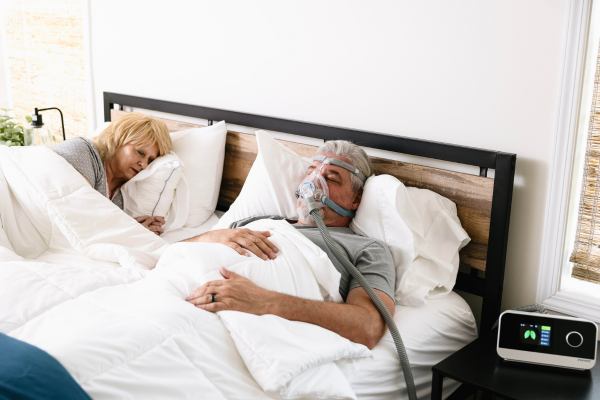
PAP, or positive airway pressure, is the most common way to treat sleep apnea. CPAP stands for continuous positive airway pressure. It's the first choice in sleep medicine to treat sleep apnea, especially OSA, and it works by using a device called a PAP machine to deliver air pressure to your upper airway, either pushing the obstruction out of the way (OSA) or keeping your airway open and preventing disruptions in your breathing patterns otherwise stimulated by your brain (CSA).
There are three types of devices: CPAP, APAP, and BiPAP. They all do the same thing but at different pressure settings and ranges. Your doctor will be able to decide which is best for you based on your sleep apnea diagnosis and severity.
In some cases, oral appliances may be used as an alternative to CPAP. These include tongue retaining devices or jaw-advancement mouth guards. Like CPAP, these devices still provide a treatment and not a cure. We also mentioned surgical intervention earlier, and there are even surgeries that insert CPAP-adjacent devices into your chest, sort of like a pacemaker.
No matter what, left untreated, obstructive sleep apnea is a dangerous medical condition that increases your risk of heart attack, stroke, and hypertension. It may also be linked to hypothyroidism, type 2 diabetes, and congestive heart failure, so it's important to seek treatment.
What Is the Sleep Apnea Prognosis With Treatment?
Living a long life with a sleep apnea diagnosis is not only possible, but probable. You can restore your everyday quality of life! In fact, CPAP therapy has been tied to a 62% improvement in the chances of death by any cause among sleep apnea patients.
If you suspect that you may have sleep apnea, talk to your healthcare provider about having a sleep study. Then, reach out to Aeroflow Sleep! We'll pair you with a dedicated Sleep Specialist who can help you choose a PAP machine, find the right CPAP mask fit, and even give reminders when you may order replacement supplies. Just fill out our easy qualifying form to find out if you're covered through insurance!


From CPAP machines and masks to tubing and filters, Aeroflow Sleep covers your sleep apnea essentials up to 100% through insurance. Plus, you'll be paired with a dedicated Sleep Specialist, get access to our user-friendly patient portal, and receive world-class resources like our AI mask-fitting technology.